
Quick Overview
This blog includes information about implantation bleeding, its causes, timing, appearance and duration. It compares menstrual spotting with menstrual bleeding, clears whether spotting confirms pregnancy, discusses bleeding after IVF and explains when to consult a doctor.
Introduction
Implantation bleeding is a kind of spotting that most people could notice during early pregnancy. It could occur around the time when someone expects periods, which makes it even more difficult to understand whether the bleeding is related to pregnancy or periods. If someone is trying to conceive, it could bring both hope and uncertainty.
Understanding the signs, timing and causes can help in recognising changes in the body and know when to consult a doctor.
What Is Implantation Bleeding?
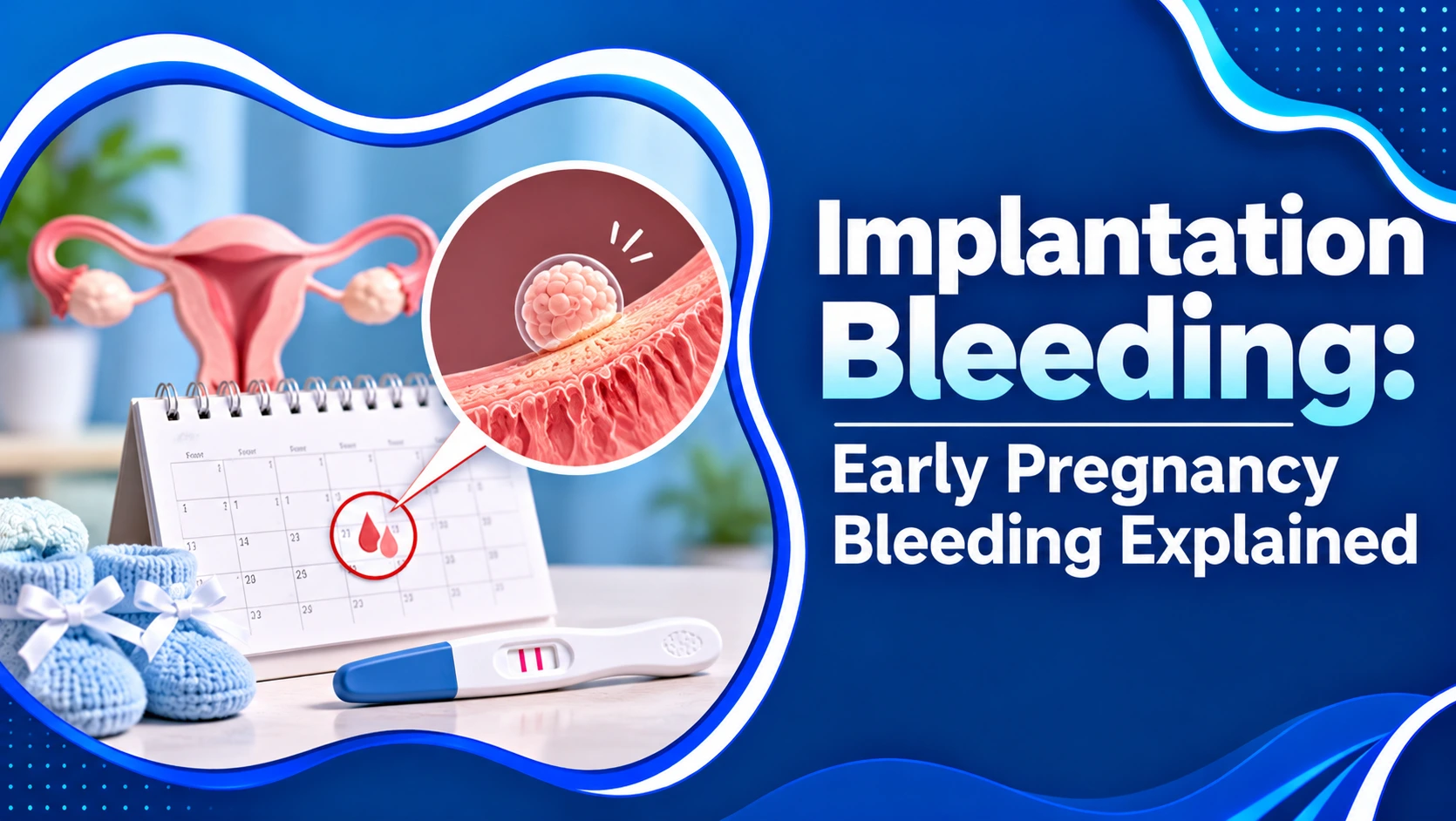
A light spotting that could occur around the time a fertilised egg attaches to the uterine lining of the uterus is called implantation bleeding.The uterine lining contains blood vessels and early pregnancy involves changes in this tissue.
But one must also know that everyone does not experience implantation bleeding and only spotting cannot confirm that implantation has occurred or pregnancy is progressing normally.
Light bleeding during early pregnancy could have several reasons like cervical changes, hormonal fluctuations, infections or pregnancy related complications. So, it is important not to assume that every instance of spotting is implantation bleeding.
When Does Implantation Bleeding Occur?
It usually occurs around 10 to 14 days after ovulation, even close to the expected date of the periods. Though, the timing may vary from person to person and could be difficult to identify the cause.
People who are trying to conceive may notice a few spots of blood before their expected date of periods. But it does not confirm that pregnancy has occurred.
If you are having an IVF treatment, do follow your doctor’s advice about pregnancy testing. Don’t rely on spotting or other symptoms to know the result of the embryo transfer.
What Does Implantation Bleeding Look Like?
It is generally described as very light spotting instead of a regular menstrual flow. Its appearance may differ from person to person.
The common characteristics may include:
- Colour: Light pink, brown or sometimes reddish spotting.
- Amount: You may notice a few spots of blood in the toilet paper or underwear instead of bleeding that soaks a pad.
- Flow: Usually lighter than periods.
- Duration: Could last for a few hours or a couple of days.
- Discomfort: Some may notice mild cramps, while others may not have discomfort.
Is Implantation Bleeding A Sign Of Pregnancy?
Light spotting could occur in early pregnancy, but it is not a genuine pregnancy symptom. Some pregnant women may notice spotting while others might not.
Symptoms like breast tenderness, mild cramps, tiredness and bloating could occur in early pregnancy as well as during menstrual periods. Their presence or absence cannot confirm the outcome.
If you think you could be pregnant, take a home pregnancy test from the day of your missed period. If you are not sure when your period is due, do take medical advice when to test. Testing it too early can give a false negative result.
Implantation Bleeding Vs Period
Implantation spotting and menstrual bleeding may occur around the same time and can make it difficult to differentiate between these two.
Menstrual bleeding basically develops into a more continuous blood flow and could become heavier over the first few days. It may be accompanied by period cramps, back pain or bloating.
Implantation bleeding is generally lighter, shorter and more likely to appear as occasional spots. However, these differences are not definitive. Early pregnancy bleeding may vary, and some people experience lighter than usual periods.
Can It Occur After IVF?
Some people may notice spotting during the waiting period after an embryo transfer. Though, bleeding after IVF does not surely indicate implantation and its absence also does not mean that the treatment has failed.
Spotting after the treatment could have multiple causes, including cervical irritation following a procedure or changes associated with the medicines. Your fertility clinic could help in knowing the symptoms according to your treatment.
When To Consult A Doctor?
Do consult your doctor if you experience unexplained vaginal bleeding, especially if the pain increases or is regular.
Do take medical attention if the pain is accompanied by several other factors like abdominal or pelvic pain, especially pain in one side. Heavy bleeding, severe pain, shoulder pain, dizziness, etc may indicate a serious problem like ectopic pregnancy and requires urgent care.
Don’t think that bleeding is harmless just because it occurs around the expected time of implantation. A doctor can tell if any examination or further testing is needed.
Conclusion
Implantation bleeding is known as a light spotting that could occur in early pregnancy, also around the time when one expects periods. It is lighter and shorter than menstrual bleeding but the timing and appearance only cannot confirm pregnancy.
Whether you are trying to conceive through IVF or natural processes, the best approach is to monitor unusual symptoms, follow doctor’s advice and take pregnancy tests at the right or said time. Do take medical attention for heavy bleeding or symptoms like severe abdominal pain, dizziness, or fainting.
Understanding the body changes can help you make informed decisions without depending on spotting alone to predict a pregnancy outcome.
Frequently Asked Questions(FAQs)
- What is implantation bleeding?
It refers to the light spotting that could occur in early pregnancy around the time a fertilised egg is attached to the uterine lining.
- When does it occur?
It usually occurs around 10-14 days after ovulation, often near the expected period.
- How can I differentiate it from a period?
Implantation spotting is usually lighter than menstrual bleeding. However, the appearance and timing can overlap, so they cannot reliably distinguish these two.
- When should I take a pregnancy test?
Follow the test instructions and consider testing from the first day of a missed period. After IVF, take the test on the date recommended by your doctor.
- When should I consult a doctor?
Consult your doctor if bleeding is regular or increases. Seek urgent care for heavy bleeding, severe abdominal pain, one sided pelvic pain, shoulder tip pain, dizziness, or fainting.