
Quick Overview
Most women feel sick at some point in early pregnancy, but very few are told what actually helps. This blog focuses on practical relief, from small food habits to ginger and vitamin B6. It also explains how to tell normal nausea from a severe form that needs medical care.
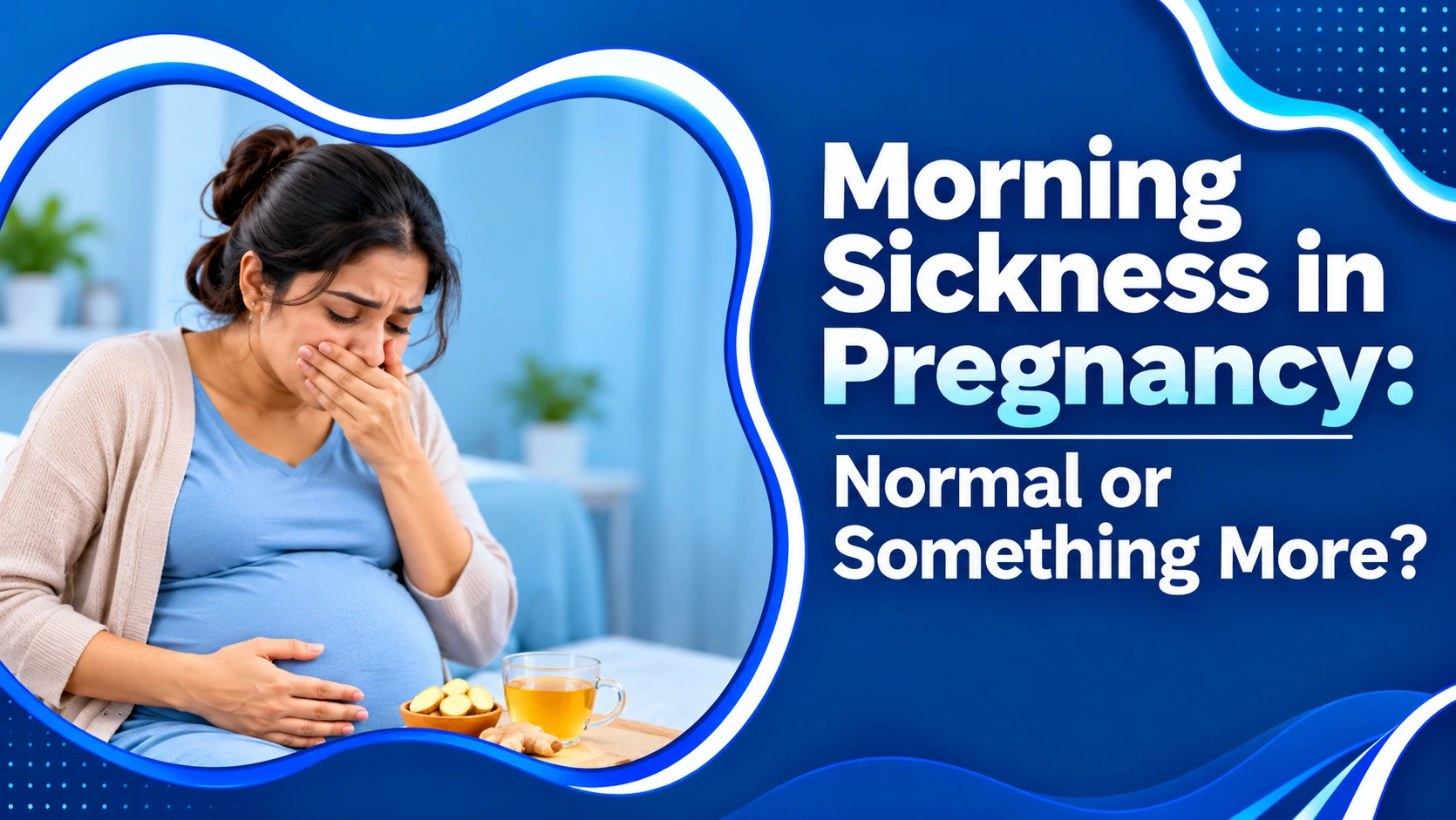
Despite the name, morning sickness in pregnancy can happen at any time of day or night. Up to 80% of pregnant women report some nausea. It usually starts around week 6, is often worse around week 9, and settles by weeks 16 to 18. It is unpleasant, but it is considered a normal part of a healthy pregnancy. Still, you don’t have to just suffer through it. Small habits can make the days easier.
What Helps With Morning Sickness in Pregnancy
No single trick works for everyone. Most women find relief by layering a few of these together.
Eat Small, Eat Often
An empty stomach tends to make nausea worse. Instead of three big meals, try five or six mini meals throughout the day. Choose bland, dry foods first, like toast, crackers, or plain rice. Foods that are very fatty or spicy are best avoided, since they can make nausea worse.
Keep Crackers by the Bed
Eat a couple of crackers before you get out of bed in the morning. Settling your stomach before you stand up can help many women. Protein snacks between meals, like yogurt, nuts, or cheese, can keep you going for longer.
Try Ginger
Ginger is one of the best natural options for pregnancy nausea according to studies. You can try fresh ginger tea, ginger candies, or ginger ale made with real ginger. Some women get heartburn from it, so go slowly and see how your body reacts.
Sip Fluids All Day
Your body needs more water in pregnancy. ACOG suggests 8 to 12 cups a day. If big glasses make you feel sick, take small sips often, or try cold drinks and sparkling water.
Ask Your Doctor About Vitamin B6
Vitamin B6 is an over-the-counter medicine that doctors often suggest trying first. If it isn’t enough, a doctor may add another medicine. Please don’t pick a dose yourself. The right choice depends on you, so always ask your doctor first.
Notice Your Triggers
Strong smells, heat, and stuffy rooms set off nausea for many women. Fresh air, cold foods, and avoiding the kitchen during cooking can help.
Morning Sickness in Pregnancy: Remedies at a Glance
| What to Try | How It May Help | Keep in Mind |
| Small, frequent meals | Keeps the stomach from being empty | Avoid very fatty or spicy food |
| Crackers before getting up | Settles the stomach early | Keep them within reach |
| Ginger tea or candies | Eases nausea for many women | Can cause heartburn in some |
| Sipping fluids | Prevents dehydration | Small sips are fine |
| Vitamin B6 | A common first-line option | Ask your doctor about use |
| Avoiding triggers | Reduces sudden waves of nausea | Triggers differ for everyone |
Important Note
Please don’t start any medicine, vitamin, or herbal supplement for nausea on your own, even if it is sold over the counter. Every pregnancy is different, and only your doctor can tell you what is safe for you. If you’re looking for a clinic that can guide you through early pregnancy then it’s important to check their doctors, facilities, and how easily you can reach them before you decide.
It Isn’t Always “Morning”
Many women are surprised that morning sickness in pregnancy lasts all day. Here are a few common myths, cleared up.
- Myth: It only happens in the morning.
Fact: It can strike any time, including evenings and nights.
2. Myth: Everyone gets only mild nausea.
Fact: For some, it is much stronger and needs medical care.
3. Myth: Skipping food helps.
Fact: An empty stomach usually makes nausea worse.
When to See a Doctor
Call your doctor right away if you notice any of these:
- You can’t keep any fluids down for more than 12 hours
- You vomit several times a day and can’t keep food down
- You’re passing much less urine than usual
- You feel dizzy, faint, or very weak
- You see blood in your vomit
- You’re losing weight
Severe vomiting is not something to push through.
Bringing It All Together
Morning sickness in pregnancy is common, usually temporary, and often easier with small habits: frequent small meals, crackers before rising, ginger, and steady sips of fluid. The key is knowing when it crosses the line. If you can’t eat or drink, or you’re losing weight, please don’t wait. Reach out to your doctor for proper care.
If you’re facing any issues, you can contact us here:
Reach Us: H-6, 1st Floor, Green Park, New Delhi, Delhi 110016
Call Us: +91 9555544421 / 22 / 23 |
Frequently Asked Questions (FAQs)
- When does morning sickness in pregnancy usually start?
It usually starts around week 6, though the exact timing varies from woman to woman.
- When does it get better?
For most women, it eases by weeks 16 to 18, though some feel it for longer.
- Can it happen at night too?
Yes. Despite the name, nausea can happen at any time of day or night.
- Is ginger safe to try?
Ginger is widely used for pregnancy nausea, but please check with your doctor first, especially if you have heartburn.
- Should I take vitamin B6 for nausea?
It is a common first option, but please ask your doctor before starting, since the right dose depends on you.
- What is hyperemesis gravidarum?
It is a severe form of pregnancy nausea and vomiting that can cause dehydration and weight loss, and it needs medical care.
- When should I call my doctor?
Call if you can’t keep fluids down for over 12 hours, vomit several times a day, feel faint, or are losing weight.
This article is intended for general informational purposes only and should not be considered a substitute for professional medical advice. Please consult a qualified gynaecologist for personalised guidance based on your individual health needs and circumstances.