
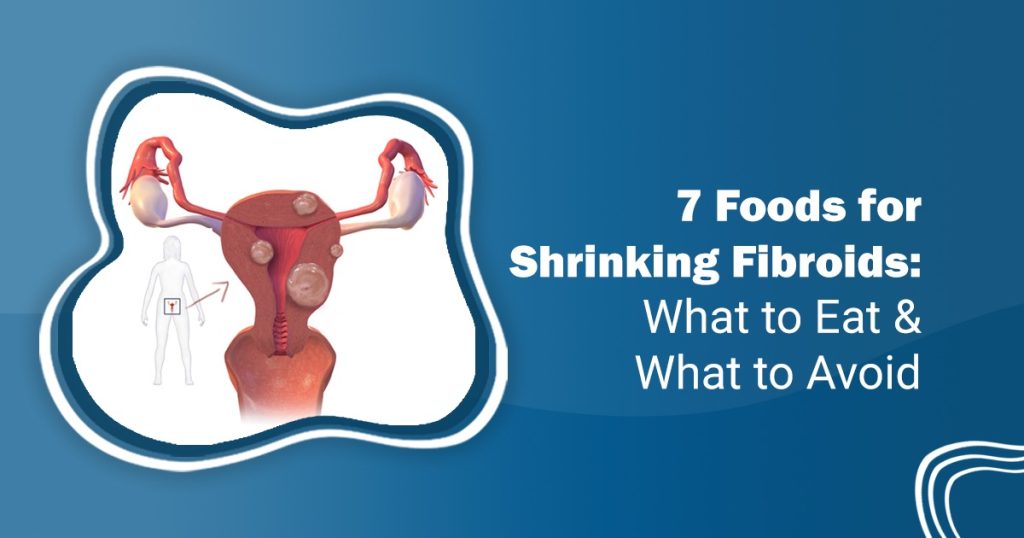
In Short — Can Food Really Shrink Uterine Fibroids?
Diet alone cannot eliminate uterine fibroids, but specific foods — leafy greens, whole grains, beans, flaxseeds, garlic, and green tea — can help lower estrogen levels, reduce inflammation, and manage symptoms like heavy bleeding and bloating. Red meat, processed food, sugary drinks, and alcohol tend to raise estrogen and worsen symptoms. Diet works best alongside medical monitoring — fibroids over 5cm, rapid growth, or fertility concerns still need a doctor’s evaluation.
| Eat More Of | Avoid / Limit |
| Leafy greens (spinach, kale) | Red meat |
| Antioxidant-rich fruits (berries, oranges) | Processed foods |
| Whole grains (brown rice, oats) | Sugary foods & drinks |
| Beans and lentils | White bread & refined grains |
| Flaxseeds | High-fat dairy |
| Garlic and onions | Alcohol |
| Green tea | Excess caffeine |
7 foods for shrinking fibroids is an important topic for many women who have fibroids and are facing problems with that. There are many treatments available but what you eat can also help to manage fibroids in a natural and healthy way. In this blog, we will talk about how some foods may help your body and help to reduce fibroid symptoms.
At Risaa IVF, Dr. Rita Bakshi, a senior IVF specialist and experienced gynecologist, has helped many women with fibroids. She understands that every woman’s body is different, and sometimes, small changes in diet can help a lot. In this blog, we will explain everything about fibroids and share the 7 foods for shrinking fibroids in a simple and easy-to-follow way.
What are Uterine Fibroids?
Uterine fibroids are small lumps or growths that form inside or around a woman’s uterus (womb). They are not cancerous and are usually made of muscle and tissue. Additionally, there are some fibroids that are very small and there are others that can grow bigger in size.
There are many women who get fibroids during their childbearing years. Some don’t even know they have them because they feel normal. However, in some cases, fibroids can cause heavy periods, pain in the lower belly, or pressure on the bladder. It’s important to know that fibroids are not dangerous in most cases but they can be uncomfortable. There are treatments which can manage fibroids easily.
Fibroids are also known medically as uterine leiomyomas or myomas. Their growth is closely tied to estrogen dominance — a hormonal state where estrogen levels are high relative to progesterone. Compounds like EGCG (found in green tea) and diindolylmethane (found in cruciferous vegetables) are being studied for their role in supporting healthier estrogen metabolism, which is part of why diet is often discussed alongside fibroid management.
Types of Fibroids
Fibroids can grow in different parts of the uterus and the types are based on their location. According to that, they are divided into a few types, including the following:
These are the most common types. They grow inside the wall of the uterus. They can make the uterus feel larger than normal and may cause heavy periods or pain.
Subserosal Fibroids
These grow on the outer surface of the uterus. They don’t usually affect periods, but if they become large then they can press on nearby organs like the bladder or bowel and cause discomfort or a feeling of pressure.
Submucosal Fibroids
These grow just under the inner lining of the uterus. Even small ones can cause heavy bleeding and issues with fertility or pregnancy because they affect the inside space of the uterus.
Pedunculated Fibroids
These fibroids grow on a thin stem or stalk, either on the inside or outside of the uterus. They can sometimes twist and may cause sudden pain.
Common Symptoms of Fibroids
There are many women with fibroids who don’t feel anything unusual, especially if the fibroids are small. But there are some symptoms that can affect someone’s daily life and comfort. These fibroids symptoms in uterus can change based on how big the fibroids are and where they are located.
Here are some common signs of fibroids:
- Heavy periods – Bleeding that lasts longer or is heavier than normal and sometimes with blood clots.
- Painful periods – Strong cramps or lower belly pain during menstruation.
- Bloating or pressure – Feeling full or bloated even if you haven’t eaten much.
- Frequent urination – Needing to pee more often because fibroids press on the bladder.
- Constipation – Issues in passing stool due to pressure on the bowel.
- Pain during sex – Discomfort or pain during sexual activity.
- Lower back pain – A dull ache or pressure in the lower back.
- Issues in getting pregnant – In some cases, fibroids can make it difficult to conceive or cause issues in pregnancy.
How Diet Affects Fibroid Growth?
Yes, diet affects fibroid growth — foods high in estrogen-boosting compounds (red meat, processed food) can accelerate it, while fiber-rich, anti-inflammatory foods can help slow it down.
The food you eat every day can affect the way fibroids grow in your body. There are some foods that can make fibroids grow faster and there are others that can help them to slow down. Fibroids are linked to hormones like estrogen. When estrogen levels are high, fibroids may grow more.
Eating too much red meat, fried food, or junk food can increase estrogen and make fibroids worse. But eating healthy foods like fruits, vegetables, whole grains, and drinking plenty of water can help to keep hormones in balance. A good diet won’t cure fibroids, but it can help reduce symptoms and stop them from getting bigger. Below, we will also share 7 foods for shrinking fibroids that may support your body naturally.
7 Foods for Shrinking Fibroids
It’s very important to eat the right food to manage fibroids and may even slow down their growth. However, food alone cannot remove fibroids and a healthy diet is important to support hormone balance and reduce inflammation. Here are 7 foods for shrinking fibroids that may support your body naturally:
Leafy Green Vegetables – Spinach, kale, and lettuce are full of fiber and vitamins. They help to lower estrogen levels and reduce the risk of fibroid growth.
Fruits High in Antioxidants- Berries, oranges, and apples are rich in antioxidants that protect your cells and help your body to fight inflammation.
Whole Grains- Brown rice, oats, and whole wheat bread are good for digestion and help to remove extra hormones from the body.
Beans and Lentils- These are great plant-based protein sources. They are rich in fiber and can help to balance blood sugar and this is important for hormone health.
Flaxseeds- Flaxseeds contain healthy fats and natural compounds that help to balance estrogen levels. You can also add them to smoothies or yogurt.
Garlic and Onions- They have natural anti-inflammatory properties and help your liver to remove toxins, including extra hormones.
Green Tea- Green tea has a special antioxidant called EGCG that may help to slow down the growth of fibroid cells. So, drinking a cup daily may be helpful to shrink fibroids.
The amounts below are general dietary guidance, not a prescription — check with your doctor before starting any new supplement routine, especially green tea extract in concentrated form.
| Food | Suggested Daily Amount |
| Leafy greens | 1–2 cups, cooked or raw |
| Antioxidant fruits | 1–2 servings |
| Whole grains | 2–3 servings |
| Beans and lentils | 1 cup, cooked |
| Flaxseeds | 1–2 tablespoons, ground |
| Garlic | 1–2 cloves |
| Green tea | 1–2 cups (avoid high-dose EGCG supplements without medical advice) |
Foods to Avoid If You Have Fibroids
We have discussed 7 foods for shrinking fibroids that can support your body and help to manage symptoms but there are also certain foods that you should try to avoid. Some foods may increase hormone levels or cause inflammation and can also lead to the growth of fibroids or make the symptoms worse.
Here are some foods to avoid if you have fibroids:
- Red Meat: Too much red meat like beef, pork, or lamb may increase estrogen levels and this can make fibroids grow faster.
- Processed Foods: Ready-to-eat meals, chips, and fast food often contain unhealthy fats, chemicals, and salt that are not good for your hormones.
- Sugary Foods and Drinks: Eating too many sweets, desserts, or sugary drinks can increase insulin and hormone imbalance.
- White Bread and Refined Grains: Foods made with white flour, like white bread, pastries, or noodles, can increase blood sugar and provide little nutrition.
- High-Fat Dairy: Full-fat milk, cheese, or cream may contain extra hormones or fats that can affect fibroid growth.
- Alcohol: Drinking alcohol regularly can harm the liver and this also plays a big role in removing extra hormones from the body.
- Too Much Caffeine: Having too much coffee, tea, or energy drinks can affect hormone levels and stress your liver.
Best Treatment for Fibroids
Fibroid treatment ranges from medicines and non-surgical procedures to surgery, chosen based on fibroid size, symptoms, and whether you want future children.
Fibroid treatment depends on your symptoms, age, and whether you want to have children. There are some fibroids that don’t need treatment at all but if they cause problems like pain or heavy bleeding then there are safe and effective options available. Here’s a simple list of the best treatment choices:
- Medicines – This helps to control pain, bleeding, or shrink fibroids for a short time.
- Uterine Artery Embolization (UAE) – This is a non-surgical method to block blood flow to fibroids and shrink them.
- Myomectomy (laparoscopy/) – This surgery helps to remove only the fibroids and keep the uterus safe.
- Hysterectomy – This surgery helps to remove the uterus and this is usually for serious cases.
- Healthy Diet & Lifestyle – It’s important to eat well, stay active, and include 7 foods for shrinking fibroids to manage symptoms.
| Treatment | Best For | Invasiveness | Fertility Impact |
| Medicines | Short-term symptom control (bleeding, pain) | Non-invasive | No impact |
| Uterine Artery Embolization (UAE) | Shrinking fibroids without surgery | Minimally invasive | Not recommended if planning pregnancy |
| Myomectomy | Removing fibroids while keeping the uterus | Surgical | Fertility-preserving |
| Hysterectomy | Severe, recurrent cases, childbearing complete | Surgical | Ends fertility |
| Diet & Lifestyle | Ongoing symptom management, prevention of growth | Non-invasive | No impact |
Final Words
Fibroids can be stressful, especially when they affect your daily life, periods, or plans to have a baby. But the good news is that fibroids can be managed with the right treatment, a healthy lifestyle, and good medical care. In this blog, we’ve explained what fibroids are, their symptoms, types, causes, 7 foods for shrinking fibroids, foods to avoid, and treatment options.
At Risaa IVF, Dr. Rita Bakshi, Senior IVF Specialist and Gynaecologist, has helped many women to manage fibroids with care. Whether you’re trying to conceive or simply looking for relief from symptoms, expert advice can make all the difference. If you or someone you know is dealing with fibroids, don’t wait. Call us at 95555 44421/22/23 or email at doctor@risaaivf.com — we’re here to support you every step of the way.
Frequently asked questions (FAQs)
Which size of fibroid is dangerous?
Fibroids over 5 cm can cause more issues, but even small ones may be risky based on their location.
How to check for fibroids at home?
You can’t confirm fibroids at home, but signs like heavy bleeding or bloating may point to them. Only a doctor can confirm.
Can fibroids affect pregnancy?
Yes, some fibroids can make it harder to get pregnant or may cause problems during pregnancy, depending on their size and position.
Are fibroids cancerous?
No, fibroids are non-cancerous (benign) growths. It’s very rare for a fibroid to turn into cancer.
Can turmeric help shrink fibroids?
Turmeric’s anti-inflammatory curcumin may ease symptoms, but there’s no strong evidence it shrinks fibroids alone.
Does weight loss help shrink fibroids?
Weight management can slow fibroid growth by lowering estrogen, but it won’t shrink existing fibroids much.
How long does it take for diet changes to show results?
Symptom relief often shows in 2–3 months; measurable fibroid shrinkage, if any, takes 6+ months.
Is there research behind green tea and fibroid shrinkage?
A 2013 pilot trial (Roshdy et al., Int J Womens Health) found green tea extract shrank fibroid volume by 30%+ versus placebo.